
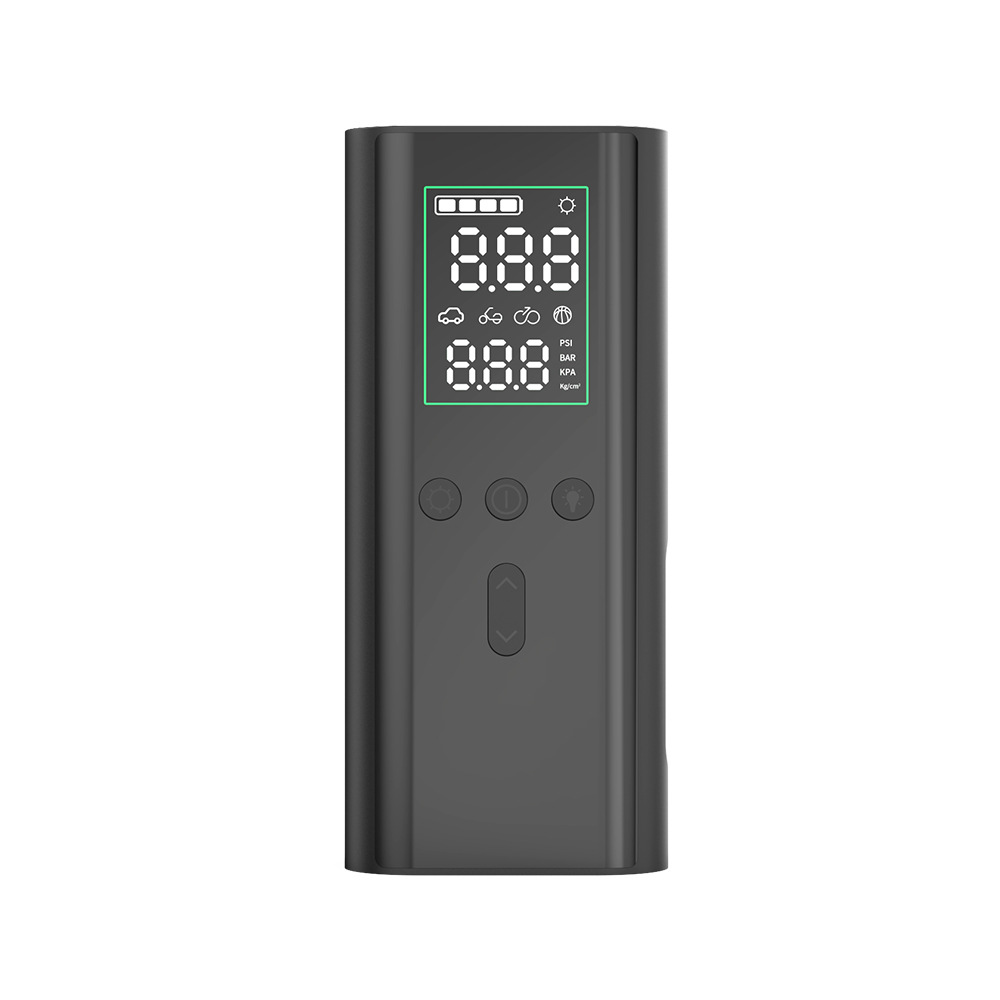
Why You Should Buy a Portable Jump Starter and How to Choose the Right One
When your car battery dies unexpectedly, you’re left stranded, often in inconvenient or unsafe locations. Waiting for roadside assistance can take hours, especially in remote areas. This is where a portable jump starter becomes an invaluable tool. Not only does it save you time, but it also gives you peace of mind and independence in an emergency. But with so many options available, how do you choose the right one? Below, we’ll discuss why you should own a jump starter and the key factors to consider when buying one.
Why Buy a Portable Jump Starter?
With a portable jump starter, you no longer need to rely on another vehicle or wait for help to jump-start your car. It gives you complete control over handling battery issues yourself, whether you’re in the middle of nowhere or in your driveway.
Portable jump starters allow you to quickly respond to a dead battery without the long wait times of traditional jump-start methods. This can be crucial in harsh weather conditions, at night, or in unsafe locations.
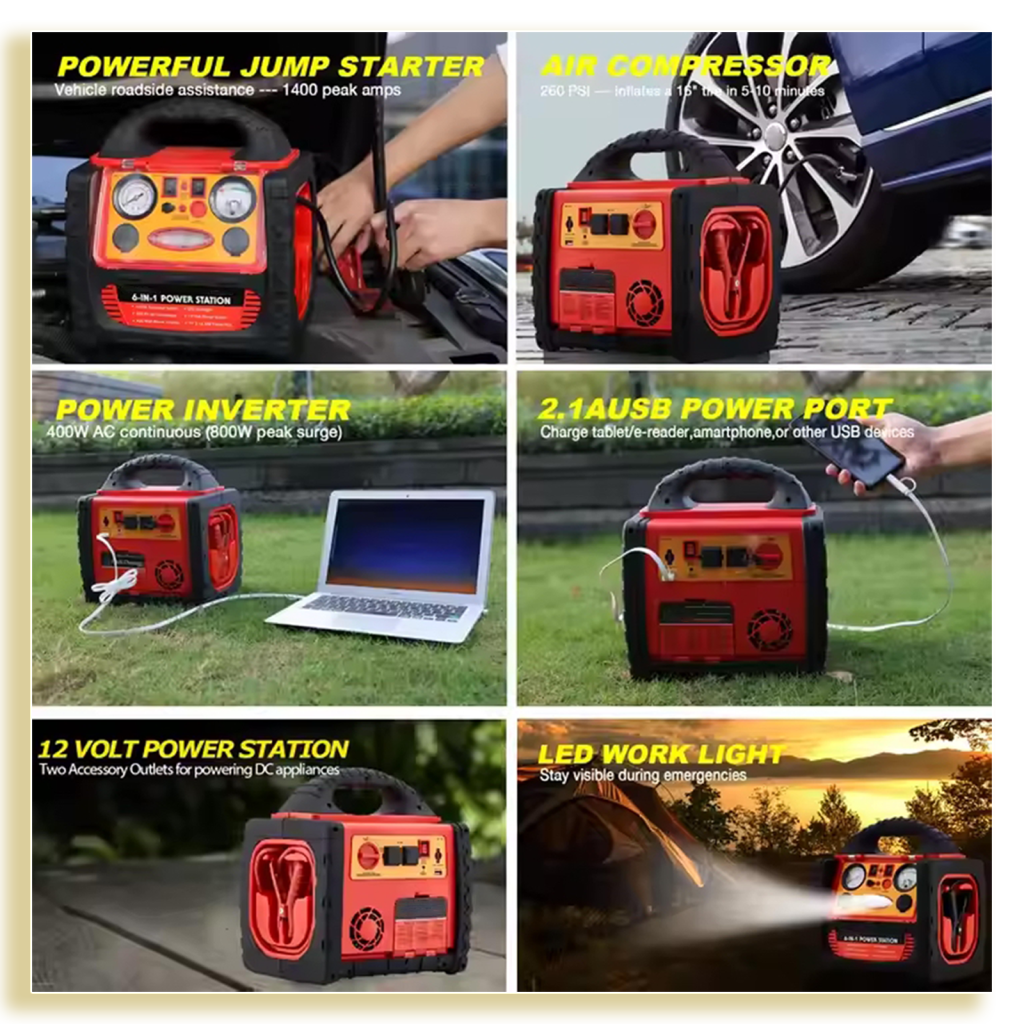
Many modern jump starters come equipped with extra features, such as USB ports for charging your devices, LED flashlights for nighttime emergencies, and even air compressors for inflating tires. They serve as an all-in-one emergency kit for your vehicle.
Most jump starters are lightweight and easy to store in your vehicle. Their compact size means they can be conveniently placed in your glove box or trunk without taking up much space, yet they’re powerful enough to jump-start most vehicles.
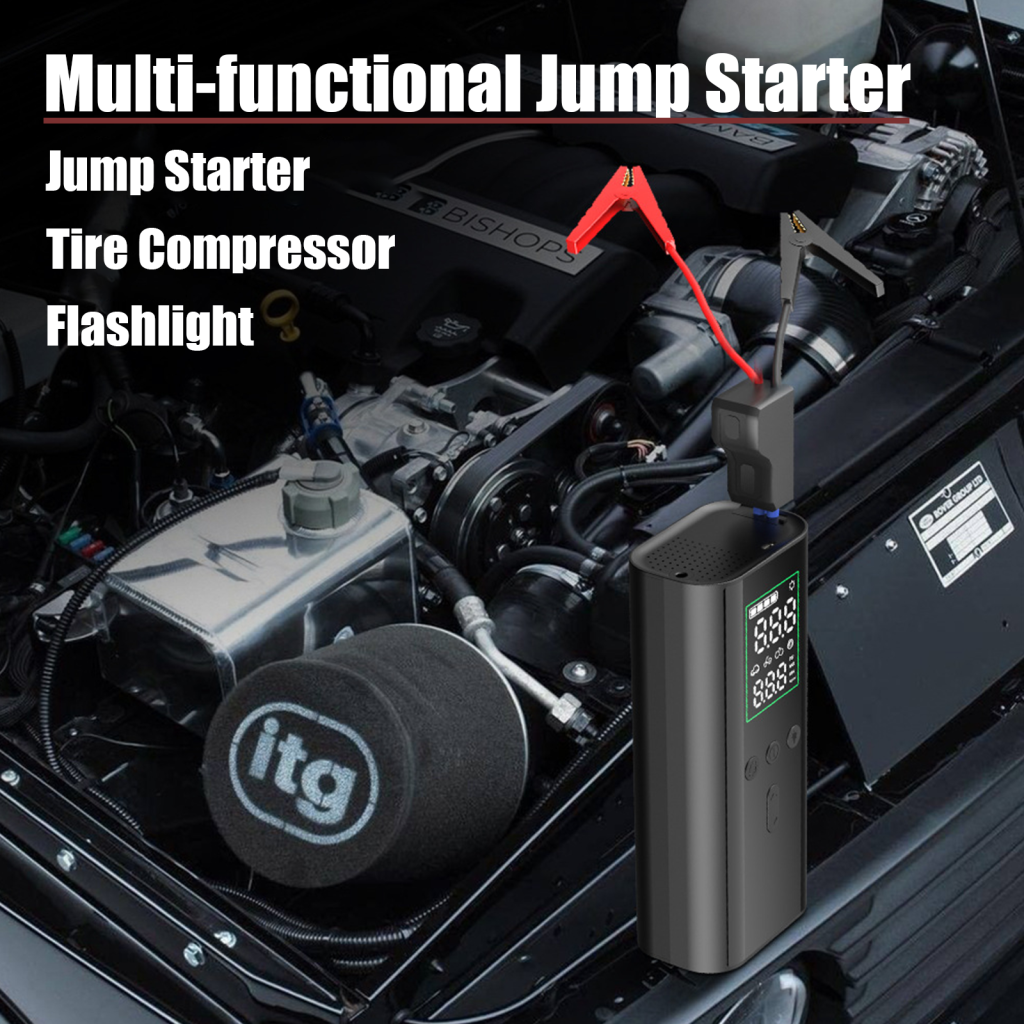
How to choose a jump starter you need? Factors to Consider When Choosing a Portable Jump Starter
The most important factor to consider is the jump starter’s power, measured in amps. For standard cars, a jump starter with a peak current of 400-600 amps is typically sufficient. However, for larger vehicles such as trucks or SUVs, you’ll need one with a higher rating, usually 800-1000 amps or more. Always check the manufacturer’s recommendation for your specific vehicle.
Depending on your needs, you may want a more compact, lightweight jump starter for easier storage. However, smaller units may have less power, so it’s essential to balance portability with the power required to start your vehicle.
A good jump starter should include several safety features to protect both you and your vehicle. Look for features like:
Many jump starters now come with added functionalities, which can be highly useful:
Consider how long the jump starter takes to recharge and how long it can hold a charge while not in use. A jump starter with a longer standby time (how long it retains power when unused) is beneficial if you only plan to use it occasionally. Most lithium-ion models can hold a charge for several months.
If you frequently travel in harsh conditions or rugged environments, ensure the jump starter is made from durable materials. Look for models with water-resistant or impact-resistant designs if you need additional protection.
While it’s tempting to opt for a cheaper option, remember that your jump starter is an emergency device. Choosing a reliable model from a reputable brand may cost more upfront, but it ensures performance when you need it most. Also, check the warranty to guarantee long-term support.
Conclusion
A portable jump starter is an essential tool that every driver should consider. Not only does it give you the freedom to deal with a dead battery on your own, but many models also come equipped with additional features to cover a variety of emergencies. When choosing a jump starter, be sure to evaluate the power requirements of your vehicle, the portability of the device, safety features, and any extra functionalities that can further support you on the road. Investing in a reliable, well-reviewed jump starter could save you time, money, and stress in the long run.


